


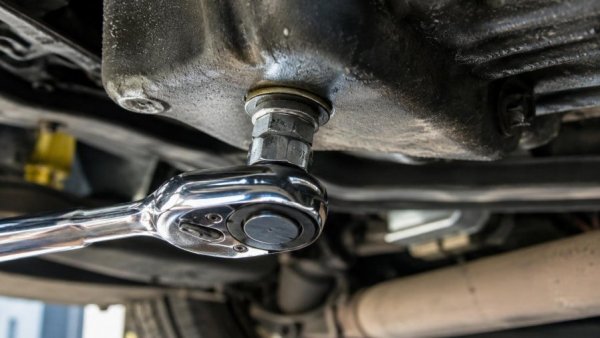
Why Automakers Are Moving Towards Single-Use Oil Drain Plugs
As the complexity of vehicle technology continues to evolve, so too does the way automakers design even the simplest components, like oil drain plugs. Traditionally, oil drain plugs have been made of metal, allowing for reuse and easy replacement during routine maintenance. However, in an increasingly competitive market where efficiency is key, some manufacturers are opting for single-use plastic drain plugs that promise a more streamlined oil change process.
Understanding the Mechanics of Oil Drain Plugs
At its core, the task of changing oil is straightforward, but it’s the execution that can complicate matters. Snugging an oil drain plug too tightly, especially in materials like plastic, can lead to disastrous outcomes, such as stripped threads or leaks that result in engine failure. By contrast, the newer plastic plugs require only a quarter-turn to lock into place, virtually eliminating the risk of overtightening. This design not only simplifies the mechanics of maintenance but also minimizes the potential for future costly repairs, as noted by experts.
Consumer Perspective: Are Single-Use Plugs Worth It?
From the consumer's viewpoint, adopting these single-use drain plugs entails both pros and cons. On one hand, the elimination of threading issues and potential leaks is a significant advancement. However, this comes at a cost, as drivers will need to purchase a new plug with each oil change, leading to ongoing expenses. For example, Nissan's transition to a plastic pan and a single-use plug may reduce costs in the long run by preventing the need for expensive oil pan replacements, but in the short term, it places the financial burden on the consumer. Some manufacturers, like Honda, still recommend reusing metal plugs with fresh washers, showcasing the diversity of approaches in the industry.
Environmental Considerations: Moving into the Future
As discussions around sustainability become more prominent in the automotive sector, the introduction of single-use plastic components raises questions about environmental impact. While these plugs are designed to prevent leaks and maintain engine integrity, their disposable nature contributes to plastic waste. Automakers are increasingly balancing innovation with eco-conscious decisions, exploring biodegradable materials and recycling options as future solutions. This dynamic illustrates the automotive industry’s dual challenge of embracing cutting-edge technology while remaining accountable to environmental responsibilities.
Conclusion: Navigating the Changing Automotive Landscape
The transition toward single-use oil drain plugs may signal a significant shift in automotive maintenance practices. For many consumers, understanding these changes—alongside their benefits, costs, and environmental implications—will be vital in adapting to this new automotive reality. Being informed not only empowers consumers in making sound maintenance decisions but also positions them as active participants in the larger conversation about automotive innovation and sustainability.





Write A Comment