


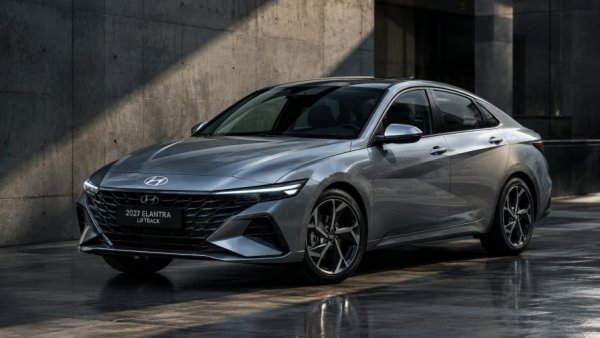
Why the 2027 Elantra Liftback Didn't Happen
As the countdown to the launch of the redesigned 2027 Elantra begins, car enthusiasts ponder over a fascinating potential evolution of this beloved sedan. Originally, Hyundai's design team seriously considered transforming the Elantra into a practical liftback, replacing the traditional trunk with a full rear hatch. This intriguing option could have added a unique flair to the new model, providing greater versatility for consumers.
Insights from Design Challenges
Hyundai's design head, Simon Loasby, shed light on why this liftback dream was curtailed. He shared how the incorporation of a hatchback design would compromise the interior space significantly. Heavy hinges required for the hatch would encroach on passenger headroom, detracting from comfort—a crucial consideration, especially with an emphasis on maximizing passenger space.
The Delicate Balance of Design and Functionality
While an attractive liftback might appeal to enthusiasts focused on aesthetics and versatility, practical considerations often dictate design choices in mass-market vehicles. The decision to retain a conventional three-box design was heavily influenced by the need for structural integrity, manufacturing cost efficiency, and overall market competitiveness. The additional chassis reinforcements and sound-deadening measures necessitated for a liftback would complicate production and likely inflate prices. Given the goal to keep the starting price under $25,000, these considerations were paramount.
Market Trends in Compact Cars
The automotive landscape is shifting, with a notable trend of customers gravitating back toward sedans due to rising costs in the SUV segment. This makes Hyundai's decision to focus on affordability and practicality particularly poignant. Reports indicate that modern car buyers prioritize value and functionality, making the traditional sedan formula increasingly attractive in a volatile economic climate.
What Lies Ahead for Hyundai's Elantra
Even without a liftback variant, the new Elantra promises to deliver a satisfying driving experience, especially with the high-performance Elantra N version on the horizon. This model is expected to provide the sporty, engaging performance that fans of the brand have come to expect, further showcasing Hyundai’s ability to balance everyday usability with performance.
In summary, while the prospects of a liftback Elantra paint an alluring picture, Hyundai's commitment to affordability and passenger comfort has guided them to stick with a traditional—and practical—design. As consumers reassess their car-buying priorities in this evolving market, the 2027 Elantra may very well meet their needs, delivering a balance of style, utility, and value.




Write A Comment