


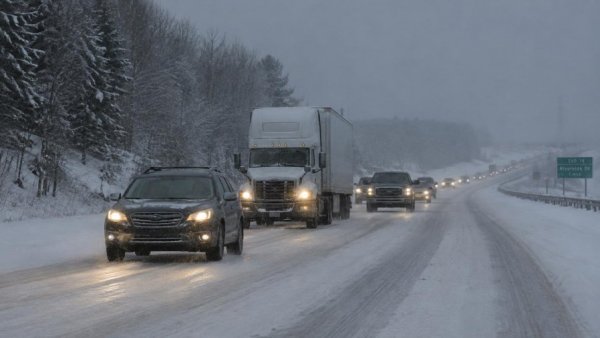
Prepare Your Vehicle for Winter: Essential Checks
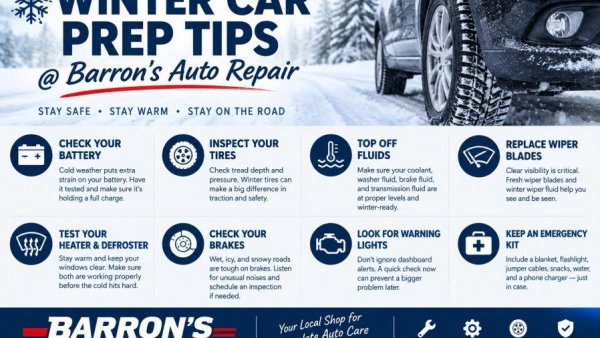
As winter approaches, it’s crucial to prepare your vehicle to handle the season's harsh demands. Cold temperatures can negatively impact your car’s performance, particularly affecting vital components such as the tires and battery. Tire pressure, for instance, typically decreases by approximately 1 PSI for every 10-degree drop in temperature. It's advisable to regularly check tire pressure with a gauge rather than solely relying on dashboard indicators. Additionally, inspect your tire tread; worn tires can significantly decrease traction on slippery surfaces.
Your battery's health is equally important as low temperatures can drain it quickly. Ensure that your battery is fully charged and that all fluids—particularly antifreeze and windshield washer fluid suitable for freezing conditions—are topped off. Don’t forget to clear snow from your car, especially the roof, as it can slide onto your windshield while driving, obstructing your view.
Avoid Overconfidence with All-Wheel Drive
Many motorists rely on all-wheel drive (AWD) or four-wheel drive (4WD) capabilities, mistakenly believing that these features will automatically enhance their safety during winter travel. While these systems can aid in traction when starting from a stop, they do not shorten stopping distances. It's critical to equip your vehicle with winter-specific tires or at least high-quality all-season tires, as they offer much better grip on slick roads than standard summer tires.
Packing Essentials: Be Prepared for the Unexpected
Preparation extends beyond just vehicle maintenance. Always check weather forecasts and road conditions before hitting the road. In extreme cases, it may be best to postpone your journey altogether. Keeping an emergency kit in your vehicle is another excellent precaution. This should include essentials such as blankets, water, non-perishable snacks, a flashlight, a phone charger, and basic winter equipment. These items can be invaluable if you find yourself stranded or delayed due to unforeseen weather conditions.
The Importance of Staying Home
Finally, one of the most crucial winter driving tips is to recognize when it’s safer to stay home. The forecast may predict snowstorms or icy roads; if authorities recommend against travel, heed that advice. Knowing your limits and understanding those of your vehicle can save not just the stress of travel but could also be a safety precaution that protects you and others on the road.
Conclusion
Winter driving requires preparation and understanding. By taking the time to prepare your vehicle and your emergency supplies, you can turn a potentially stressful road trip into a manageable one. Don’t let winter catch you off guard – equip yourself with knowledge and necessary supplies for a safer journey. Remember, the most effective tip of all may just be knowing when to stay safe at home.




Write A Comment