


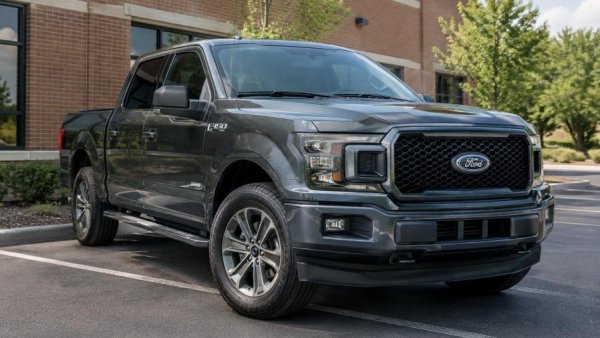
Ford Takes a Strategic Turn in Japan
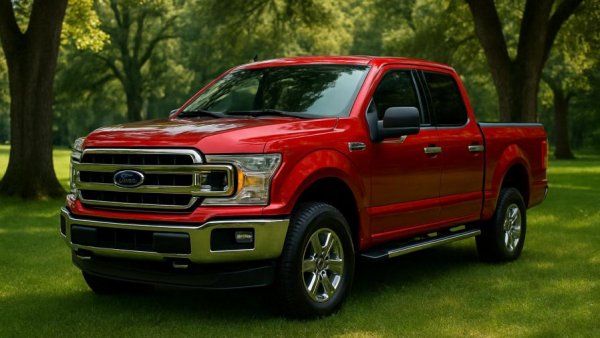
Ford, the iconic American car manufacturer, has announced its return to the Japanese market, yet, surprisingly, the vehicles will be restricted to government and organizational use. In an alliance with Global Fleet Sales and Space Factory, Ford aims to provide its full range of trucks, including the well-known F-Series and other models like the Ranger and Transit. This strategic shift indicates a partnership model that capitalizes on Japanese demand from sectors such as local governments and the Japan Self-Defense Forces.
The Significance of Government Contracts
While regular consumers in Japan may face disappointment, the decision to target public sector contracts suggests a calculated move by Ford. This is not a unique approach; many foreign automakers have previously navigated the market by focusing on government fleets before expanding to individual buyers, influenced by localized needs and procurement patterns. These partnerships often result in specialized vehicles tailored for emergency services, further embedding the brand into the fabric of public safety infrastructure.
How Ford’s Vehicles Will Stand Out
Part of the strategy involves modifying vehicles for specific purposes, such as firefighting trucks and emergency response units. This customization is facilitated by RMA Special Vehicles, which has established expertise in right-hand drive modifications—essential for the Japanese market. The adaptability of Ford's lineup gives it a competitive edge, particularly in fulfilling niche needs that standard vehicles may not meet effectively.
The Competitors on the Horizon
Ford is entering a competitive landscape as other manufacturers, including Toyota and Nissan, expand their American offerings in Japan. The changes in Japan's vehicle certification process, which simplifies the import of vehicles meeting U.S. safety standards, allow these companies to capitalize on previously inaccessible markets. American brands are not just bringing in vehicles—they’re introducing a lifestyle that embraces larger, more rugged vehicles that define American automotive culture.
Future Implications for American Brands in Japan
The return of Ford to Japan might signal broader opportunities for American automakers, challenging longstanding preconceptions about vehicle size and utility in a country known for compact designs. As consumer preferences shift and the market landscape evolves, Ford's strategy could pave the way for changes in how vehicles are perceived in Japan, presenting an opportunity for future growth.
Your Perspective on the Future of Transportation
While it may be disappointing that individual buyers won't have access to these models right away, this situation provokes interesting discussions on how automotive trends are shifting globally. As the demand for various vehicles grows, consumers should stay aware of these market changes and consider what these new options mean for urban transportation in the future.



Write A Comment