


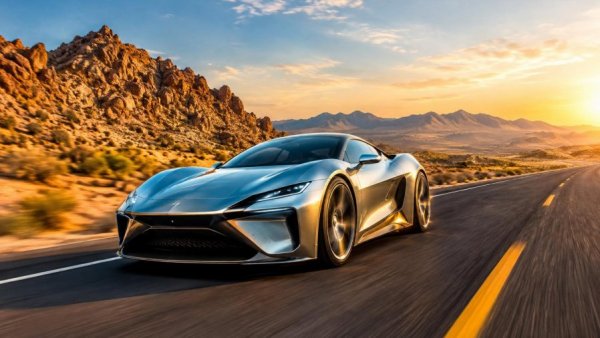
The End of an Era for Rimac's Nevera Hypercar
Rimac Automobili has made waves in the hypercar industry, carving out a niche with its revolutionary electric vehicles. Yet, after an initial target of producing 150 units of the Nevera, the Croatian manufacturer's production will conclude at a mere 71 cars. This unexpected pivot has captured the attention of automotive enthusiasts and industry watchers alike.
Rimac's Formula for Success
Only two years into its delivery, the Nevera has become a symbol of electric hypercars, known for its extreme performance and cutting-edge technology. Despite falling short of production goals, Mate Rimac, the company's founder, expressed satisfaction with the Nevera's legacy: "It’s the most sold electric hypercar in the world," he noted in a recent social media update.
What Led to the Sudden Stop?
The decision to halt production was influenced by varying factors, including market demand and internal shifts within Rimac's broader goals. The company is currently focused on integrating its ownership of Bugatti into future plans, including the development of the highly anticipated Tourbillon.
Is There a Future Beyond the Nevera?
While Rimac will not launch a direct replacement for the Nevera any time soon due to low demand, the brand is diversifying its product offerings. With ventures extending into AI and autonomous vehicles, including the Verne Robotaxi brand, Rimac is positioning itself to lead a new wave of automotive technology. This expansion signals a strategic reallocation of focus rather than an end to innovation.
Reflection on the Nevera's Impact
Rimac's journey with the Nevera has not only established a solid foundation for future electric hypercars but has also raised significant interest in electric performance vehicles. The brand's achievements showcase how electric technology can compete fiercely in the luxury market, setting a precedent for upcoming manufacturers.
What Can We Learn From This?
The discontinuation of the Nevera underscores the challenges of maintaining production targets in a rapidly changing market where consumer preferences can shift significantly. As Rimac navigates through these waters, other EV manufacturers may take note, understanding the importance of agility in product offerings to align with consumer demands.


Write A Comment