

Nostalgic Design Elements in Today's Automotive Industry
The automotive landscape today is seeing manufacturers tapping into a blend of heritage and modernity in their design choices, emphasizing a growing trend toward nostalgia in vehicle styling. Nissan's announcement regarding potential round headlights for the upcoming R36 GT-R echoes a broader trend among companies like Renault and Ferrari, where classic design elements are making a comeback. This strategy not only attracts loyal customers but also intrigues a new generation of enthusiasts who seek tangible connections to the past.
Why Round Headlights? A Symbol of Legacy
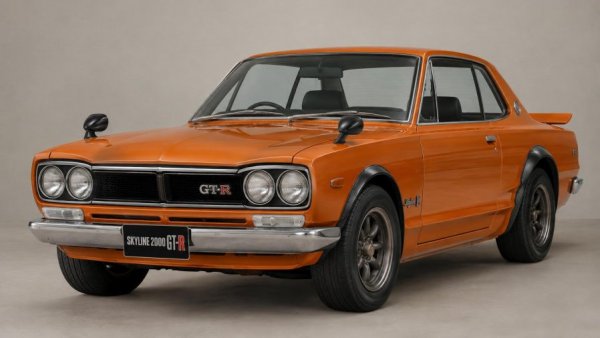
Round headlights serve as a potent design symbol within the GT-R lineage, harking back to the original models from the late 1960s and early 1970s. The first GT-R, the PGC10, featured four circular headlights that became iconic in representing Nissan's performance heritage. Matthew Weaver, Nissan's global design chief, hints that this retro design could resonate deeply with enthusiasts who recall the glory days of the GT-R when pure driving thrill and innovation merged seamlessly. However, with today’s advancements in LED technology, these nostalgic elements can be integrated while enhancing functionality, aligning with modern performance standards.
Modernizing the Classic: The Future Is Hybrid
As Nissan ventures toward the R36 GT-R, it has also been revealed that traditional combustion engines with potential electrical assistance would power the new model. This decision indicates a departure from the completely electric landscape many are anticipating in the automotive industry. Instead, Nissan appears to be embracing a hybrid approach, perhaps as a way to balance performance with environmental considerations. This transition could open the door for a more accessible and enjoyable driving experience, especially for fans of the traditional GT-R feel.
Consumer Reactions: Merging Tradition with Innovation
Consumers and automotive enthusiasts alike have reacted positively to recent announcements. The promise of a new GT-R retains the brand’s performance reputation while addressing modern worries about emissions and efficiency. Remaining connected to an esteemed legacy while innovating with technology indicates a carefully calculated strategy. A hybrid GT-R could meet the desires of fans who want a glimpse of the past without forgoing the advantages of today’s automotive technologies.
Anticipating the Release: What Lies Ahead?
While official timelines for the R36 GT-R’s release remain vague, speculation suggests a concept vehicle may emerge within the next few years, with production models potentially hitting the market later in the decade. Such anticipations generate excitement among consumers awaiting a blend of nostalgia and modern performance. Nissan's strength lies in its history, and the R36 could be another opportunity to interweave this legacy with cutting-edge advancements.
The automotive world is ever-evolving, and Nissan’s plans for the R36 GT-R reflect a broader phenomenon where nostalgia meets innovation. As they navigate the path forward, enthusiasts can expect a thrilling blend of history and forward-thinking technology in their next beloved sports car. To ensure you're updated on the latest developments in automotive innovation, stay tuned for more updates from the industry!


Write A Comment