


Mercedes-Benz's Cost-Cutting Measures: An In-depth Look
Mercedes-Benz, the iconic automaker known for blending luxury with performance, is not facing a crisis, but it is clearly at a pivotal point in its journey. Despite remaining profitable, the company is grappling with significant declines in earnings, alarming stakeholders and prompting urgent discussions about its future strategies. A notable contributor to this situation is the company's struggle in the Chinese market, where the presence of legacy automakers is waning.
The Shift from High Profits to Volume Issues
Mercedes-Benz previously adopted a strategy focusing on lower volume and higher profit margins. However, this methodology has faced hurdles, particularly with early electric vehicle (EV) models failing both critically and commercially. Furthermore, rising tariff penalties have carved a significant cut into earnings, compelling management to seek immediate actions to rise above these challenges.
The Failed Union Talks: A Keystone of Dissonance
One of the major steps considered for cost reduction included cuts to labor expenses. However, negotiations with the workers' council recently fell through, raising the stakes for both management and employees. Labor costs in Germany are considerably higher than in countries like the U.S. or Mexico. As a result, the management's move to emphasize plant closures underscored a clash with those who feel such threats undermine workforce morale and unity.
Union representatives expressed their disdain, stating that resorting to threats of plant closures is not an effective means to navigate the future of the business. They have made it clear that they would not yield to ultimatums set by the management. This pushback creates a tense atmosphere that demands a creative approach from both sides to avoid a dangerous impasse, potentially affecting thousands of workers.
Management’s Strategy: Stopping Investments and Planning Closures
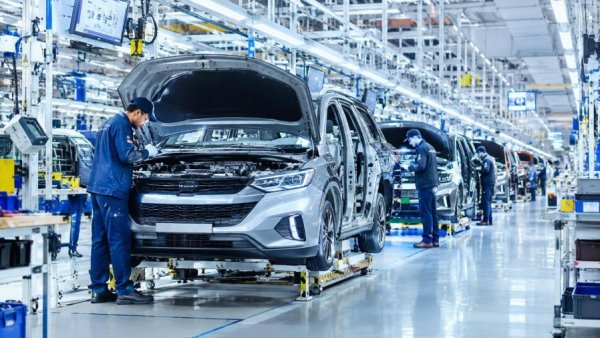
In light of falling revenues and stalled negotiations, Mercedes-Benz has made a significant decision to halt investments in its German facilities. This pause implies a stalling of any upgrades or enhancements until a clearer and more promising financial outlook emerges. The company’s labor director has hinted that if necessary, the possibility of closing one significant vehicle assembly line and one powertrain facility could become a reality if they continuously miss productivity targets.
This positions the Sindelfingen plant, which assembles mid-size and upscale models, alongside the Bremen and Rastatt facilities, under serious scrutiny. Such drastic steps aim to stabilize the company's financial health amidst a sea of economic uncertainties, but will likely evoke significant backlash from employees and consumers who value the company's heritage of quality and craftsmanship in Germany.
The Balancing Act: Meeting Targets While Keeping Morale High
Mercedes-Benz is faced with a monumental challenge: reducing operational costs while also maintaining employee morale and pushing forward with the development of new vehicles. This delicate balance, if disrupted, could lead to a deterioration in employee trust and ultimately affect the brand’s reputation.
To effectively navigate these turbulent waters, a strategic financial roadmap must be laid out that not only addresses immediate concerns but also considers the long-term implications for both the workforce and production capabilities. The company’s reputation hangs in the balance, as will its legacy of high-quality production that has defined it for decades.
Conclusion: The Road Ahead for Mercedes-Benz
As Mercedes-Benz strives to recalibrate its approach to manufacturing and financial management, the decisions made in the coming months will not only affect its operational excellence but will also shape its narrative in the competitive automotive landscape. The stakes are high, and while the intent is clear, the success of these measures will ultimately depend on the collaboration and responsiveness of both management and labor unions. Navigating through this pivotal juncture requires adaptive strategies that align with the values of their workforce and the expectations of consumers, ensuring the brand remains competitive and relevant in an ever-evolving industry.




Write A Comment