

Revolutionizing Motorcycling in Stop-and-Go Traffic
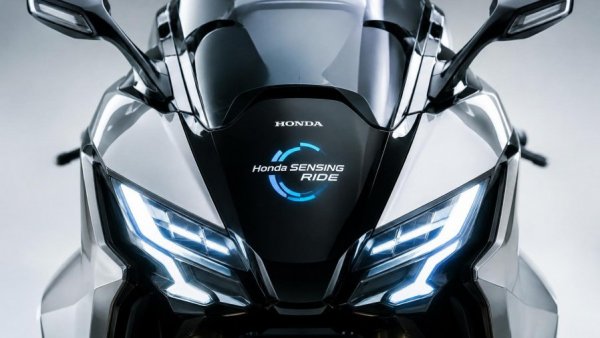
If you've ever navigated through frustrating traffic delays on a motorcycle, you'll understand the excitement surrounding Honda's latest innovation. At the recent EICMA event in Milan, Honda unveiled the Honda Sensing Ride, an advanced safety system designed for motorcycles. This radar-based technology builds upon the Honda Sensing suite known for enhancing safety in cars, and it's set to debut on the 2027 CRF1150L Africa Twin Adventure Sports.
How the Technology Works
The Honda Sensing Ride is equipped with millimeter-wave radar units positioned at the front and rear of the motorcycle. This system continuously monitors the surroundings and provides crucial warnings to the rider. Its arsenal of features includes adaptive cruise control for maintaining speed, stop-and-go functionality to ease traffic navigation, and a host of safety alerts such as forward collision warnings and emergency brake assist.
Riders can also benefit from blind-spot information, rear collision warnings that flash indicators to alert following vehicles, and a “Brake Pulse” feature that provides an additional alert during imminent hazards. These enhancements do more than just elevate safety; they promise a significant reduction in rider fatigue by easing the physical demands during long rides, especially in congested areas.
Rider Experience and Advantages
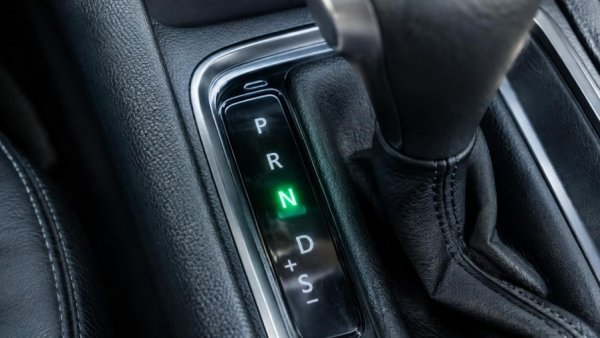
By incorporating the dual-clutch automatic system, which removes the need for manual shifting, the Africa Twin enables effortless cruising in stop-and-go conditions. Riders can experience less stress and fatigue, fostering a more enjoyable riding experience. While this technology will initially be exclusive to the Africa Twin with dual-clutch transmission, Honda is expected to expand these features across its motorcycle range in the future.
Not the First, But a Major Player
Though Honda is not the pioneer in this arena—with brands like BMW, Ducati, and Yamaha already offering similar systems—its scale and commitment stand out. Honda plans to leverage this technology not only to enhance rider safety but also to achieve a significant goal: cutting motorcycle and car traffic fatalities by 50% by 2030 compared to 2020 figures.
Safety First: Understanding the Limits
While these advancements are exciting, it’s vital for riders to understand the technology's limitations. According to Honda, each feature has specific operational limits, and riders should not overly rely on the system. Conditions such as weather, road type, and vehicle statuses can affect performance. Therefore, Honda emphasizes that this system is a rider assistance tool, not a substitute for rider attentiveness.
The Future of Riding
As motorcycle technology evolves, innovations that support rider safety and enjoyment are invaluable. Riding offers a sense of freedom, and developments like Honda Sensing Ride could redefine how we experience that thrill, especially in urban environments. With more models expected to become available, enthusiasts can look forward to a safer, less stressful riding experience in the future.


Write A Comment