


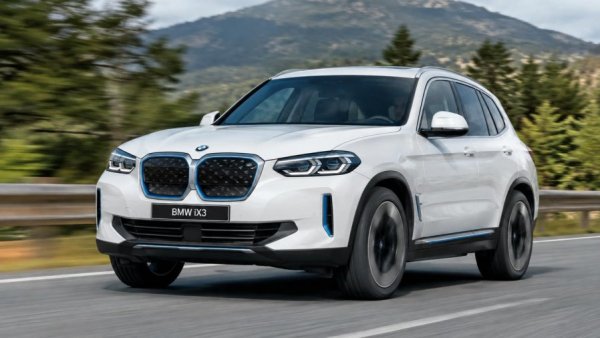
A Trendsetter in Electric Vehicles
The automotive industry is undergoing a revolution, especially in the electric vehicle (EV) segment. BMW's iX3, a product of its innovative Neue Klasse lineup, has quickly garnered attention. This compact SUV not only showcases advanced technology but also demonstrates impressive battery efficiency, setting itself apart in a competitive market dominated by models from Mercedes and Volvo.
Breaking Records in Real-World Testing
In a recent real-world test conducted by Edmunds, the BMW iX3 achieved an outstanding 436 miles on a single charge—a benchmark that eclipsed its rivals, the Mercedes-Benz GLC EV and Volvo EX60. While the GLC fell short by 44 miles and the Volvo by an even greater 84 miles, the outcome highlighted the BMW’s capabilities, reaffirming its status as a leader in efficiency.
Exceeding Expectations
Interestingly, the iX3 exceeded its EPA-rated range—392 miles—by a notable 44 miles, marking a remarkable 11.2% improvement. The vehicle's performance against these ratings is crucial because the EPA traditionally underestimates range capabilities compared to other metrics like WLTP (Worldwide Harmonized Light Vehicles Test Procedure). This newly established standard in EV testing is becoming essential for consumers and manufacturers alike, as it encourages more realistic expectations of electric vehicle performance.
The Efficiency Race
In terms of energy consumption, the iX3 averaged 28.3 kWh per 100 miles during the tests, significantly lower than the EPA's own rating of 32 kWh. This efficiency should not go unnoticed since energy consumption is a critical factor influencing buyers’ decisions moving forward. Convenience and cost-effectiveness play major roles in attracting consumers to electric vehicles, especially as the trend towards sustainability grows stronger.
Driving Conditions and Testing Methods
Understanding the conditions under which these vehicles were tested is paramount. Edmunds simulated a blend of urban and highway driving—a realistic scenario that many EV drivers encounter daily. By setting climate control at a comfortable 72 degrees Fahrenheit and maintaining an average speed of 40 mph, the results reflect how these cars would perform in everyday use. These real-world conditions do not just mimic highway environments; they more accurately portray the lifestyle of a typical consumer.
The Future of Electric Vehicles
The iX3’s performance in this comparative analysis signals exciting opportunities for the EV market. As manufacturers invest more in electric technology, understanding effectiveness will be crucial. The capability of any vehicle to align with practical, budget-minded norms could ultimately shape consumer sentiment and preferences in the years ahead.
The takeaway for potential buyers is clear: knowing how these vehicles perform beyond factory settings can encourage informed decisions in a rapidly evolving auto market. Interested consumers should explore the benefits of the iX3 and consider the implications of this test for their future vehicle purchase.


Write A Comment